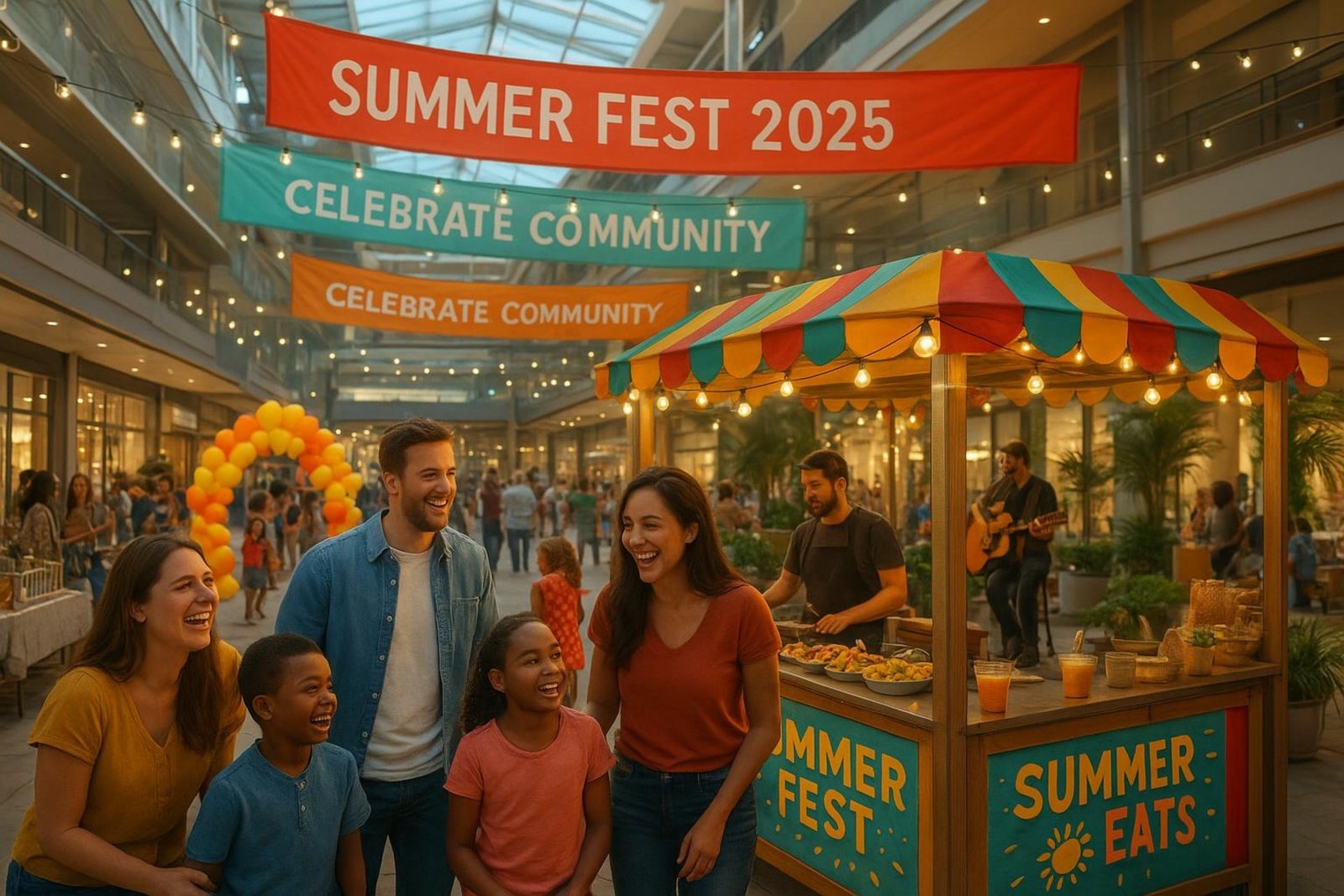
Shopping centre advertising plays a key role in lifting foot traffic by reaching people at the right moments inside a place where they already plan to shop.
In today’s busy retail market, where shoppers have many choices online and offline, effective shopping centre advertising works like a strong draw, bringing people into the mall and then into stores. It uses the unique feel of a shopping centre-a busy, active space-to create lasting impressions and help shoppers choose what to buy.
This works because mall advertising connects with people who are already in a shopping mindset. Unlike ads seen at home, mall ads reach people who chose to visit a retail space, so they are more open to offers. This direct contact with active shoppers is very valuable for turning casual visitors into regular customers.
Why Shopping Centres Invest in Advertising
Shopping centres spend on advertising for many reasons, all tied to bringing in more visitors and helping tenants do well. First, in a tough market, new ideas matter. Malls need fresh ways to attract people and grow revenue, and advertising helps show what’s new, whether that’s stores, experiences, or events.
Next, advertising helps build a lively image for the centre. It lets the mall present itself as a place for shopping, leisure, entertainment, and community. By highlighting offers and experiences people cannot find elsewhere, advertising turns a mall into a place people want to visit at any age, helping it succeed over time.
Connection Between In-Mall Advertising and Customer Visits
The link between in-mall advertising and customer visits is direct. Physical ads inside the mall create strong memories and help people remember brands more than digital-only ads. Placed in the right spots, these messages act like signs, guiding shoppers and pointing them to stores, deals, or events that spark interest.
Also, mall advertising benefits from a local audience. Because malls draw mainly nearby shoppers, the ads feel more relevant. Messages that speak to local needs, events, or interests connect better, leading to more attention and a higher chance of a store visit. The goal is to make the trip easy and appealing-from entry to purchase.
Types of Shopping Centre Advertising That Boost Foot Traffic
Digital Kiosk Advertising
Digital kiosks are quickly becoming central to mall advertising, offering an interactive way to engage shoppers. Placed near entrances, food courts, and anchor stores, these kiosks let people browse products, see promotions, and even open a brand’s online shop right away. This interaction often increases engagement and dwell time, turning a quick glance into action.
Beyond showing info, these kiosks also gather useful data. Built-in analytics track taps and views, giving insights to improve future campaigns and measure conversions. For example, a skincare brand lifted local online sales by 25% in three months by using mall kiosks for tutorials and exclusive discounts, showing the clear impact of this method.
Mall Directory and Banner Ads
Mall directories and banner ads, while traditional, still work well for visibility and guiding shoppers. Placed throughout the mall, they act as key guides and promotion spots. Short, clear messages plus a URL or QR code can drive visits to both stores and websites.
They work best when placement and design are strong. Ads should be eye-catching and easy to read for people on the move. Work with mall marketing teams to get prime locations and plan around peak seasons or events to get the most reach, so promotions meet the biggest audience at the best times.
For brands that want to take full advantage of these spaces, BE Media offers comprehensive shopping mall advertising solutions — from digital screens and banners to interactive displays that guide shoppers directly to stores.
Event and Activation Promotions
Sponsoring or joining mall events and activations is a great way to link a brand to community moments and seasonal fun, boosting visibility in a big way. Food fairs, craft shows, live music, and family days draw engaged crowds ready to discover and buy. Empty spaces can be turned into lively event areas, welcoming community groups and non-profits year-round.
These promotions draw extra visitors who might skip the mall, and they also build an emotional link with attendees. That leads to loyalty and repeat visits. Sponsorship packages with standout signs, speaking slots, or product placements can further boost presence during busy times.
Collaborative Campaigns with Retailers
Partnering with complementary tenants is a smart move for cross-promotion that expands reach and drives shared foot traffic. Joint offers build goodwill and encourage shopping across several stores. For example, a boutique and nearby coffee shop can run a “Shop & Sip” offer, which can double foot traffic for both through aligned mall and online ads.
Finding businesses with similar customers is important for success. Create bundled discounts or referral deals that work in-store and online to motivate shoppers to explore more of the mall. Promote together through mall ads, social media, and email to get wider reach and a bigger impact.
Sampling, Demonstrations, and Pop-Ups
Samples, live demos, and pop-up shops teach customers and push sales by removing doubts. Hands-on experiences build trust and reduce hesitation. For online-first brands, a pop-up can drive quick sales and grow the online audience, since in-person contact often leads to repeat visits online.
Personal interaction builds connections and delivers helpful feedback. Get mall permissions for sampling in busy areas, and train staff to greet shoppers with product knowledge and tailored tips. Collect quick feedback during these moments with short surveys to get useful insights for products and marketing.
QR Codes and Offline-to-Online Integration
QR codes are a simple tool to link offline mall ads to online actions. Put them on posters, flyers, and displays to send shoppers to special pages, discounts, or your online store. This removes steps between seeing a product and buying online, which can increase conversions.
The strength of QR codes is easy tracking. Use tools that create branded, trackable codes to monitor scans and conversions. Place codes at eye level in high-traffic spots, like near a pop-up or kiosk. Connect QR data with web analytics to get a full view of offline-to-online results and the true impact of mall ads.
Key Strategies for Increasing Foot Traffic Through Shopping Centre Advertising
Personalized and Targeted Messaging
In a busy mall, generic ads blend into the background. Strong results come from personal and targeted messages. Learn about the local audience and shape ads to connect with their needs. Refer to local events, culture, or common interests.
For example, near a university, aim offers at students. In areas with many young families, promote family-friendly events or shops. Local messages feel more relevant, raise attention, and push visits to stores or events. Personal ads build trust by showing you know the community.
Using Data and Insights for Campaign Improvement
Guesswork is over. Modern mall advertising uses data and insights for ongoing improvement. Collect and study info on shopper actions, ad views, and conversions to refine tactics. Kiosk data can show which products draw interest, while QR scans can show how well offline ads lead to online visits.
With analytics tools, centre managers and retailers get a clear view of what works. This data-first approach supports quick changes in message, placement, and timing, so ad spend has more impact. Review metrics often, adjust tactics, and scale what performs best for steady gains in visits and sales.
Interactive Experiences to Engage Shoppers
Passive ads have limits. To truly catch attention and drive visits, focus on interactive experiences. This goes beyond showing info to involving shoppers. Examples include kiosks that let people browse products, play a quick game, or take a virtual store tour. Pop-ups and live demos also help, letting people try products with personal support.
Interactive elements create stronger memories, raise dwell time, and build a tighter bond with brands and the centre. Engaged shoppers remember and act on messages. These moments also give real-time feedback businesses can use right away.
Community Events and Seasonal Campaigns
Shopping centres often act as community hubs. Using this through local events and seasonal campaigns is an effective way to grow foot traffic. Events like craft fairs, food festivals, and charity drives pull in people who might not visit otherwise. They add excitement and turn the centre into more than a place to shop.
Seasonal campaigns suited to holidays such as Christmas, Valentine’s Day, or back-to-school use peak shopping times. Add themed decor, special offers, and events to attract gift seekers and list shoppers. By often offering new reasons to visit, centres keep traffic steady all year and open more chances for sales.
Benefits of Effective Shopping Centre Advertising
Increased Store Visits and Sales Growth
The clearest short-term benefit of strong mall advertising is more store visits and sales growth. Well-placed, well-made ads act like a strong signal that pulls shoppers into specific stores. This is especially true with local messages that speak to nearby shoppers. Promoting new items, limited offers, or unique services can shape decisions right at the point of sale.
More people in-store means more chances to sell, especially when they came to shop. Research shows that offline-plus-online plans can deliver a clear sales lift within months, showing the strong conversion power of a well-advertised mall. The aim is to bring people in and guide them smoothly from the mall to the store to the checkout.
Stronger Brand Awareness within Local Community
Besides quick sales, mall advertising helps build stronger local brand awareness. Frequent and visible ads keep a brand top-of-mind for residents. Ongoing exposure makes the brand familiar and trusted.
When a brand shows up often in the centre, it signals commitment to the area. This presence creates comfort and reliability. From kiosks and banners to event sponsorships, each contact point reinforces the brand and helps it stand out among competitors. Better recognition often leads to more repeat customers, since people return to names they know.
Better Customer Experience and Loyalty
Effective mall advertising helps improve the customer experience and builds loyalty. When ads are useful, engaging, and fit well in the mall, shopping feels easier and more enjoyable. Digital kiosks can guide, share product info, and offer personal tips, adding value to each visit.
Also, events and joint campaigns create a more lively atmosphere. These efforts turn a routine trip into an experience, building positive feelings about the centre and its stores. By offering unique moments beyond basic transactions, advertising helps build deeper relationships. Loyalty programs promoted through mall channels keep people coming back and provide data for personal marketing, strengthening long-term ties.
Expected Results and Outcomes of Mall Advertising Initiatives
Short-Term Increases in Visitor Numbers
One quick and expected outcome of strong mall campaigns is a clear short-term lift in visitor numbers. Timed campaigns for seasonal sales, new store openings, or special events can draw crowds fast. A local campaign around a holiday market or limited-time discount can create buzz and prompt quick visits.
The visibility and smart placement of mall ads help these messages reach shoppers who are ready to buy. Kiosks showing “open now near me” offers or banners promoting weekend events can drive immediate visits. This fast response is important for retailers who need quick wins and proof that ads bring traffic.
Long-Term Impacts on Brand and Community Engagement
Short-term gains matter, but steady mall advertising also pays off long-term in brand building and community ties. Consistent campaigns that highlight experiences, local involvement, and variety slowly turn a centre from a group of stores into a lively community space. Over time, the mall builds a strong identity and becomes a preferred place to go.
Ads that feature local events, partnerships, or the centre’s sustainability efforts build a closer bond with residents. People stick with places that fit their values and feel familiar. Over time, the centre attracts visitors and keeps them coming back, supporting growth and a strong local economy. It is about building a relationship, not just a single sale.
Measuring the Impact of Shopping Centre Advertising on Foot Traffic
Tracking Store Visits with Technology
With today’s tools, measuring the impact of mall ads on foot traffic no longer relies on guesswork. Retailers and operators can track visits using footfall counters, Wi-Fi analytics that detect device presence, and systems that link ad exposure to store entry. For offline-to-online results, QR scans connect a physical ad to digital activity and show how many people saw an ad and then visited a site.
Also, geofencing and proximity marketing support targeted ads and visit tracking. When someone who saw an ad walks into a geofenced zone, it can count as a visit tied to that ad. This level of detail is very useful for finding which ads drive in-store visits, so teams can keep improving campaigns for better results.
Evaluating Campaign ROI and Performance Metrics
Measuring ROI for mall ads is important for judging value. This means tracking foot traffic and linking it to sales and other KPIs. Foot traffic matters most when it leads to purchases. Compare campaign costs with revenue or new customers to judge profit.
Useful metrics include impressions and engagement on digital screens, promo redemption rates, and cross-store sales for joint campaigns. Review results against clear goals to see what works and what needs changes. This approach helps budget go to the tactics that drive growth.
Understanding Shopper Behavior Patterns
Besides counting visitors, a better understanding of shopper paths helps improve mall ads. Technology can show how shoppers move, which zones are popular, and how long they stay. Heat maps from Wi-Fi or cameras reveal common routes and bottlenecks, helping decide where to place ads.
Studying the steps from ad view to purchase can also find useful insights. Do people respond more to interactive displays, or do banners still work well? Do they visit several stores after seeing a certain promo? Combine numbers with survey feedback or staff notes to get a full picture of your audience. Then build clearer, more convincing ads that attract visitors and guide them to buy.
Challenges and Considerations in Shopping Centre Advertising
Adapting to Shifting Consumer Preferences
Retail is always changing, driven by fast shifts in shopper tastes. A main challenge is staying current. Many shoppers, especially younger ones, value experiences, care about sustainability, and want smooth links between online and in-person shopping. Ads that worked years ago may fall flat if they ignore these changing needs.
Brands should go beyond promos and highlight what makes the mall special-entertainment areas, community events, or new leisure spaces. Advertisers also need to stay aware of bigger trends, like demand for personal content and ethical sourcing. If you do not adapt, ads can feel old or off-base, reducing their impact on traffic and engagement.
Balancing Online and Offline Promotion
Another big challenge is finding the right balance between online and offline promotion. While mall ads live in physical spaces, many shopping journeys start and end online. People research, compare prices, and check stock before visiting. After a mall visit, they may continue online.
Good mall advertising fits into a multi-channel plan that connects physical and digital. Use QR codes to link signs to online stores, promote events via social and email, and keep brand messages consistent across channels. The aim is a clear story that uses the strengths of both, giving shoppers a smooth path to buy.
Budget Allocation and Cost-Effectiveness
Budget and cost-effectiveness are ongoing issues. Centres and retailers must weigh costs against returns. Big digital screens, large banners, and event sponsorships can be pricey, and it’s important to justify the spend with results.
For smaller budgets, pick cost-effective tactics first. Start with QR code campaigns, cross-promotions with tenants, or use free social channels to spread the word about in-mall activity. Focus on the tactics with the best ROI, measure often, and adjust so every dollar supports more traffic and sales. Regular checks help direct funds to what delivers most.
Practical Recommendations for Shopping Centre Owners and Retailers
Choosing the Best Advertising Mix for Your Centre
Choosing the best ad mix is very important for centres that want more foot traffic. There is no one right plan; it depends on your audience, tenant mix, and goals. A mall with younger, tech-savvy shoppers may invest in interactive kiosks and social campaigns. A family-focused centre may lean on event promotions, large banner ads, and strong directory placement.
Start with a full review of current channels and shopper paths. Use a mix of high-impact visuals (big digital screens), interactive tools (pop-ups, demos), and direct-response tools (QR codes). Aim to catch attention at key moments along the shopper journey to get maximum visibility and engagement.
Tips for Collaborative Promotions with Tenants
Working with tenants can multiply results and bring shared traffic. Look for businesses that fit well together. A clothing boutique can team with a café for a “Shop & Sip,” or a tech store with a gaming arcade for a joint promo. These pairs offer clear value and combine marketing power.
When planning, agree on goals and keep communication clear. Build bundled deals or referral rewards that help both sides and give customers real value. Promote widely across mall ads, store social channels, email lists, and local boards. This cooperation makes the centre feel more active and attractive, lifting visitor numbers for everyone.
Action Steps to Launch a New Foot Traffic Campaign
Launching a new foot traffic campaign takes planning and strong execution. Here are steps to make it succeed:
- Define Clear Goals: Set SMART goals. Do you want a set percent lift in traffic, more visits to a store type, or higher event attendance?
- Understand Your Audience: Use data to learn who your shoppers are, what they want, and where they spend time in the mall. Let this guide your messages and placements.
- Select Your Advertising Mix: Choose the right mix-kiosks, banners, sponsorships, pop-ups, and QR codes-based on goals and audience.
- Craft Compelling Content: Create clean, visual ads with clear calls to action. For screens, make content dynamic.
- Integrate Offline and Online: Link physical ads to your online presence with QR codes, landing pages, and consistent branding.
- Connect with Mall Management: Retailers should work closely with management to get prime spots and align with mall-wide efforts.
- Implement Tracking Mechanisms: Set up tracking from day one: footfall counters, QR stats, web analytics, and sales links.
- Promote Across Channels: Announce the campaign on social, your site, and email to build buzz beyond the mall.
- Collect Feedback and Optimize: Use quick surveys or chats to gather feedback. Watch metrics and adjust tactics to improve results.
By following these steps, centres and retailers can launch campaigns that drive real foot traffic and support long-term growth.
Frequently Asked Questions About Shopping Centre Advertising and Foot Traffic
What are the most cost-effective ways to advertise in a shopping centre?
With a tight budget, you can still get strong results. QR code campaigns are low-cost and trackable. Print codes on flyers, posters, or displays to link to special offers or product pages. Joint promotions with mall tenants also work well; by sharing effort and audience, you reach more people without high costs. Also, joining mall-wide events as a small sponsor or vendor can bring good exposure for less spend. Finally, use the mall’s digital and physical directories for basic listings to gain visibility at low cost.
How can foot traffic be accurately measured and tracked?
Track foot traffic using both basic and advanced tools. Manual clickers and beam counters cover entrances. Wi-Fi analytics track unique devices, dwell time, and paths. Infrared people counters provide accurate entry and exit counts. Trackable QR codes tie ad views to online visits. Connecting loyalty and POS data helps link ad exposure to sales. With tools like Google Analytics plus offline data, you can see how mall campaigns affect online traffic and revenue.
How often should advertising campaigns be updated in a shopping centre?
Update digital content on kiosks and screens monthly or by season to keep it fresh and relevant to current trends, holidays, or promos. Static banners and posters can run longer but should be refreshed quarterly or around a big launches, seasonal changes, or major mall events. Update promos right away once an offer ends or an event is over. Avoid “ad fatigue” by rotating content so messages stay fresh and effective.
What challenges are unique to shopping centre advertising compared to standalone stores?
Mall advertising brings unique challenges. First, there is “visual clutter”-many brands compete for attention, so ads need bold, clear, and often interactive designs. Next, prime ad spots can be costly and competitive, requiring smart talks with mall management. Also, tracking offline impact across a large centre with many entrances and varied tenants is harder than for a single store, so data from many sources must be combined. Finally, mall campaigns often involve teamwork across multiple tenants and the centre itself, which means working through different brand rules and goals during planning and execution.

“Welcome to the ultimate destination for the best Instagram captions! I’m James, your go-to guide for crafting the perfect caption to match any moment. Whether you’re posting a selfie, a scenic shot, or a fun group picture, I’ve got you covered with creative, catchy, and relatable captions for every occasion. Dive into my collection and discover the perfect words to express yourself on Instagram!”