The choice between ready-made shades and custom options is about more than the price on day one. While cheap or mass-made shades may look like a deal, they often bring hidden costs, headaches, and a look that falls short.
Custom shades cost more at the start, but they bring long-term value with a better fit, longer life, energy savings, and a design that fits your home. This article looks at the real costs of weak window coverings and the lasting benefits of going custom, such as made-to-measure sail shades, over time.
The True Cost of Poorly Designed Shades
Low prices and quick availability often draw people to store-bought shades. But the early savings can fade once the limits show up. Small issues stack up and end up costing more money and comfort later.
Common Problems with Off-the-Shelf and Poorly Designed Shades
Ready-made shades are built for average windows, not your exact sizes. Standard sizes and limited fabrics and colors mean the fit is rarely perfect.
Common issues include:
- Gaps at the sides that let in light and expose your space
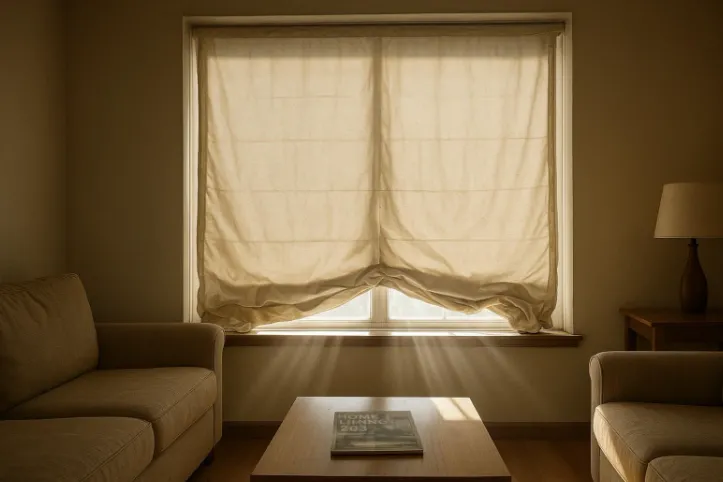
- Shades that hang too long and bunch up, or too short with visible gaps
- Limited styles that don’t match your room the way you want
Material quality is another big problem. To cut costs, many options use weaker fabrics and a less strong build, which shortens their life. Fading, warping, and broken parts are common with sunlight and daily use. The “mass-produced” look also reduces the unique feel you may want for your home.
How Inadequate Shades Impact Home Value and Daily Comfort
Poor shades hurt more than performance. A bad fit and a bland look can take away from home value and curb appeal. Buyers who see old, ill-fitting, or generic window treatments may assume the rest of the home got the same level of care, which can mean a lower offer or longer time to sell. Window treatments can lift a room; weak ones bring it down.
Comfort also drops. Gaps mean weak light control, making bedrooms too bright or family rooms full of glare. That can affect sleep, strain your eyes, and make rooms less pleasant. Bad insulation from loose shades can cause drafts in winter and heat gain in summer, pushing your HVAC to work harder and raising energy bills. Privacy also suffers if light leaks let people see inside.
Unexpected Financial Costs: Repairs, Replacements, and Hidden Expenses
Low-cost shades often mean more fixes and more replacements. Flimsy parts, thin fabrics, and a weak build wear out sooner. Replacing cheap shades again and again can easily cost more than buying quality once.
- DIY mistakes: Bad measurements or mounting can damage walls and require paid repairs
- Short or weak warranties: Many budget options offer little protection
- Energy loss: Poor insulation raises utility bills over time
- Lower home appeal: Can affect resale price and time on market
Custom Solutions: What Sets Them Apart?
Custom shades focus on fit, quality, and your style. They are made for your needs and preferences, giving you a level of function and look that store-bought options rarely match.
How Custom Shades Are Designed for Your Space
The standout feature is the fit. Custom work starts with exact measurements for each window, so there are no gaps or crooked lines. This careful approach matters, since window sizes vary and many homes have arches, circles, or extra-large panes. Custom shades match these shapes and keep the architecture looking clean.
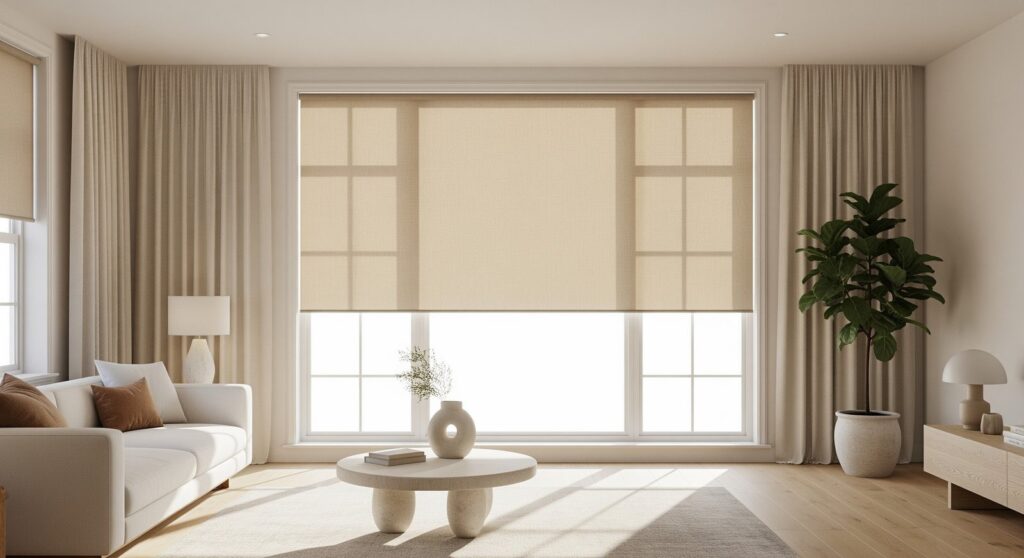
Function can match your needs too. You can pick light levels, blackout for bedrooms, or UV protection for furniture. Style choices are wide as well, with many fabrics, colors, patterns, and hardware options to match your décor. You can choose details like stitching, hem style, and length to get the room feel you want.
- Exact sizing for each window
- Options for light control: sheer, light-filtering, room-darkening, blackout
- Special features: UV blocking, motorization, top-down/bottom-up
- Wide choice of materials and finishes
Quality Materials and Craftsmanship in Custom Solutions
Custom shades use better materials. Instead of thin blends, you can choose premium woods, high-grade aluminum, linen, and durable fabrics. These choices are picked for good looks and for how well they stand up to wear, fading, and warping.
Skilled makers build custom shades with careful attention to detail. This hands-on work leads to fewer flaws, a longer life, and smooth use day after day. Your investment keeps working and looking good for years.
Professional Installation and Long-Term Reliability
Custom orders usually include expert measuring and installation. This avoids guesswork and common DIY errors. Pros mount shades the right way so they sit straight, look clean, and work from day one. This is especially helpful for large, tricky, or high windows.
For those who value precision and long-term quality, Shade4You provides custom-made shade sails and outdoor systems tailored to your exact space and needs. Their team ensures professional installation and durable materials, guaranteeing both flawless appearance and reliable protection from the start.
This approach leads to steady performance over time. Properly installed shades move smoothly and keep their shape. Many custom products also come with full warranties that cover defects, fading, or failures, which adds peace of mind and value.
Comparing Costs: Poorly Designed Shades vs. Custom Solutions
To choose well, look past the sticker price and think about the full cost over time. Cheap shades often hide ongoing costs that can make them more expensive later.
Upfront Price vs. Total Cost of Ownership
Store-bought shades usually cost less at the start because they are mass-made with cheaper materials. That can help if your budget is tight or you need a quick fix. But the low start price does not tell the whole story.
Custom shades cost more upfront but often cost less over their life. With strong materials, better fit, and energy savings, you will replace them less often and pay less on utilities. You also get expert help and service that add value over time.
Lifespan and Durability: When Cheap Isn’t Cheaper
Lower-grade materials wear out faster. Sun and moisture can cause fading, warping, or cracks, which means more frequent replacements. Buying cheap again and again can end up costing more than buying quality once.
Custom products use better materials and careful build, so they last longer. They handle daily use and weather swings well and keep working and looking good for many years. That saves time, money, and hassle.
Energy Efficiency: Impact on Heating and Cooling Bills
Windows can let heat in during summer and let warmth out during winter. A good fit helps block these losses. Poorly designed shades usually have gaps and thin materials, so they do little to stop drafts or heat gain. That can raise your energy bills.
Custom shades fit tight and can include features like cellular designs that trap air for extra insulation. They cut drafts, reduce heat from the sun, and keep room temperatures steadier, which can lower heating and cooling costs over time.
Maintenance and Warranty Differences
Budget shades often come with short or no warranties, leaving you to pay for issues later. Their weaker build can also mean careful handling and more frequent cleaning to avoid damage.
Custom shades often include longer, full warranties that cover defects, fading, or failures. While some fabrics may need special cleaning, their strong build usually means less upkeep over their long life.
| Feature | Store-Bought Shades | Custom Shades |
| Upfront price | Lower | Higher |
| Fit | Standard sizes, gaps likely | Exact fit, no gaps |
| Materials | Basic, wear out faster | Premium, long-lasting |
| Lifespan | Short | Long |
| Energy savings | Limited | Better insulation, lower bills |
| Warranty | Limited or none | Full, longer coverage |
| Installation | DIY, risk of errors | Pro measuring and install |
How Shade Quality Affects Everyday Living
Shades do more than look nice. They affect how your rooms work, feel, and sound every day. Small upgrades here can change daily life at home.
Light Control and Glare Reduction
Shades should manage light well. Poor fits let light leak around the edges, which ruins darkness in bedrooms and causes glare on TVs and monitors. You end up with too much or too little light, not the balance you want.
Custom shades give precise light control. A tight fit stops leaks, so you can get true darkness. You can also choose materials that filter light or block it fully. Many models support motors and timers, so you can set them to move on their own and keep glare down without lifting a finger.
Privacy and Security Concerns
Privacy matters at home, and gaps can expose your space, especially at night. That can also raise security worries if people can see your layout or valuables.
Custom shades cover the window fully, leaving no gaps. This made-to-fit setup creates a strong barrier from outside views and helps you relax. Options like top-down/bottom-up let you keep privacy while letting light in from above.
Aesthetics and Interior Design Integration
Window treatments can take a room from plain to polished. Mass-made shades often come in limited styles and colors, which can clash with your décor or make the room feel generic.
Custom shades offer a wide range of materials, textures, colors, and patterns. You can match your furniture, floors, and walls for a clean, unified look. Whether you want natural wood, rich fabrics, or sleek modern lines, custom choices help you build the exact style you want and lift the feel of your home.
Noise Reduction and Insulation
Shades can also help with noise and temperature. Thin, loose shades do little to block street sounds or keep rooms comfortable, which can leave spaces drafty or hot.
Custom options with thicker fabrics or cellular designs improve insulation. A tight fit seals the window area better, cutting heat transfer and reducing outside noise. Rooms feel quieter and more comfortable, and the better insulation can help lower energy use.
Making the Right Choice: Factors to Consider
Choosing between cheap, ready-made shades and custom work means weighing your budget, how long you plan to stay, and the look and function you want.
Budget Planning: Short-Term Savings vs. Long-Term Value
Store-bought shades can help if money is tight, you need something fast for a new place or rental, or you like to change styles often. They are easy to find and simple to install on your own.
For many homeowners, thinking long-term makes sense. Custom shades cost more at the start, but they last longer, can lower energy bills, and fit and look better, which can even help resale value. If you plan to stay in your home for years, the long-term payoff often beats the early savings.
Working with Professionals for Best Results
Custom projects usually include expert help, which is a big plus. Specialists can walk you through choices, explain material pros and cons, and suggest options that match your needs, style, and budget.
Pro measuring and installation make a big difference for a great fit and smooth use. This removes guesswork and common DIY mistakes, so your shades work well and look right. With custom solutions, you get a full service that brings peace of mind and a strong result from start to finish.

“Welcome to the ultimate destination for the best Instagram captions! I’m James, your go-to guide for crafting the perfect caption to match any moment. Whether you’re posting a selfie, a scenic shot, or a fun group picture, I’ve got you covered with creative, catchy, and relatable captions for every occasion. Dive into my collection and discover the perfect words to express yourself on Instagram!”