Ask any electrician in Mumbai who’s been doing this for twenty years. He’ll tell you the same thing. Calls for fan replacements have nearly doubled since 2022.
Something shifted. Quietly. Without much fanfare.
The fan that hung in your parents’ bedroom for two decades is no longer the norm. Families are pulling them down after five or six years now, sometimes even sooner. And the replacements look, sound, and behave nothing like what came before.
So what’s going on? Why the sudden rush to swap out something that, frankly, used to last a lifetime in most Indian households?
The Bills Are Doing the Talking
Let’s be honest. Most of us don’t notice ceiling fans. They run, they whirr, they do their job.
But the electricity bill has been hard to ignore.
Power tariffs across Maharashtra, Karnataka, Tamil Nadu, and Delhi have all gone up over the past three summers. Slab revisions, fuel adjustment charges, the usual mess. A family running four old fans through April and May is paying noticeably more than they did in 2020 for the same comfort.
Here’s where the math gets interesting. Your old fan, the one with the heavy induction motor, draws around 75 watts. The newer BLDC kind? Around 28. Less than half.
Run that across an Indian summer and the numbers add up fast. People talk. Your sister-in-law upgrades, mentions her bill dropped by 400 rupees a month, and suddenly you’re calling the electrician too.
Why the best ceiling fan Today Feels Like a Different Product Entirely
If your last fan purchase was sometime around 2015, walking into an appliance store today will throw you off.
There’s a whole shelf for the best ceiling fan. Another for smart variants that connect to your phone. Decorative ones with wooden finish blades. Some with built in lights. The variety alone is overwhelming.
Three things made this shift possible.
BLDC motor technology got cheap. It used to live mostly in industrial gear, far too expensive for someone fitting out a 2BHK in Thane. Scale changed that. Now even budget brands are launching BLDC models under five thousand.
Remote controls became standard. Not premium, standard. And anyone who’s tried to adjust fan speed at 3 AM during a power cut knows why that matters.
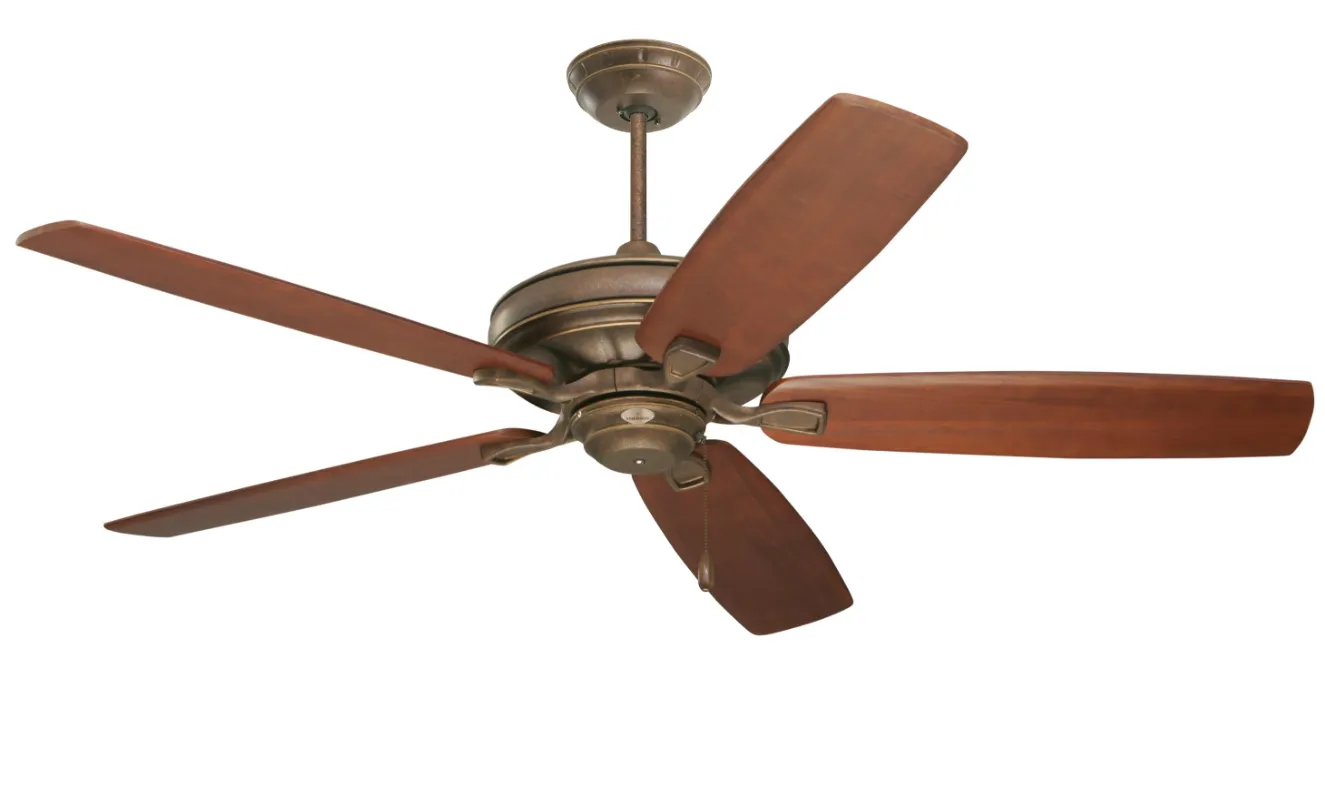
And design finally caught up to the rest of the home. Fans used to be utilities. Now they’re part of the interior. Matte black, brushed copper, walnut wood finish. Stuff you’d actually want hanging in your living room.
BLDC: Worth the Money or Just Marketing?
Fair question. There’s been enough hype around BLDC fans that some scepticism makes sense.
Here’s the straight answer.
BLDC just means brushless direct current. The motor inside works differently from the older induction kind, and the practical result is three things. Lower power use. Quieter running. Better control over speed.
Old fans gave you five speeds. BLDC ones often give you six, plus things like sleep mode, timer settings, and on smart variants, voice control through Alexa or Google.
The downside is the price tag. A solid BLDC fan will set you back somewhere between 3,000 and 6,500 rupees. A basic induction fan can still be had for 1,800. So yes, the upfront difference is real.
But the payback works out to roughly two summers, sometimes less if your usage is heavy. After that, you’re just saving money every month.
| What you’re comparing | Old induction fan | New BLDC fan |
| Power consumption | 70 to 80 watts | 28 to 32 watts |
| Sound | Noticeable hum | Almost silent |
| Remote control | Usually no | Almost always yes |
| Expected lifespan | 8 to 10 years | 12 to 15 years |
| Upfront price | Around 1,500 to 2,000 | 3,000 to 6,500 |
What People Are Actually Buying Right Now
The shift isn’t just towards BLDC. Buying patterns have gotten more specific, more thought through.
Smart ceiling fans are doing well in metros. Voice control sounds like a gimmick until you’ve used it once. Then it’s hard to go back.
Decorative fans are taking over living rooms. Wooden blade finishes, matte black bodies, the whole aesthetic conversation has expanded. People are pinning fan inspiration on Pinterest now, which would have sounded ridiculous a decade ago.
Air delivery has become the number buyers actually ask about. CMM, or cubic metres per minute, is the new RPM. A fan that looks gorgeous but barely moves air gets returned by the third week of April.
And warranties have stretched. Older models gave you a year, maybe two. Newer ones routinely offer two and a half, sometimes three. That alone tells you something about how confident manufacturers are in the new technology.
Before You Pull Down Your Old Fan, Read This
A few things worth checking before you upgrade. Save yourself the regret later.
Sweep size first. For most Indian bedrooms, 1200 mm works. Larger halls need 1400. Going smaller to save a few hundred rupees almost always backfires in May.
Look at air delivery, not just speed. Some fans spin furiously and push almost nothing. The CMM rating tells you the truth.
Check voltage tolerance, especially if your area has fluctuation issues. A fan that runs from 140 to 285 volts will survive your local grid better than one with a narrow range.
And ask about service. A great fan with no service centre within 20 kilometres becomes a headache the day something goes wrong. Brand reputation in your specific city matters more than national advertising.
Conclusion
For decades, ceiling fans were the appliance nobody thought about. They worked. They were cheap. They lasted forever, more or less.
That era’s done.
Higher bills, longer summers, a generation that expects everything in the home to be smart and quiet and good looking, all of it has pushed ceiling fans into the same upgrade cycle as TVs and ACs. What’s spinning above Indian living rooms today is genuinely a different category of product than what was there ten years ago.
Honestly, it’s about time.

“Welcome to the ultimate destination for the best Instagram captions! I’m James, your go-to guide for crafting the perfect caption to match any moment. Whether you’re posting a selfie, a scenic shot, or a fun group picture, I’ve got you covered with creative, catchy, and relatable captions for every occasion. Dive into my collection and discover the perfect words to express yourself on Instagram!”