Most homeowners assume that once the water starts draining again, the problem is solved. It rarely is.
Drain snaking is one of the most common plumbing service calls in Houston. A technician runs a cable machine through the line, breaks up the obstruction, and the clog clears. Water flows. Problem over. Except three months later, the same sink is backing up again, and the same plumber is back at the door.
That cycle is not bad luck. It is what happens when the tool used does not match the nature of the blockage.
What a Drain Snake Actually Does
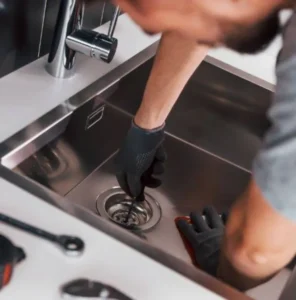
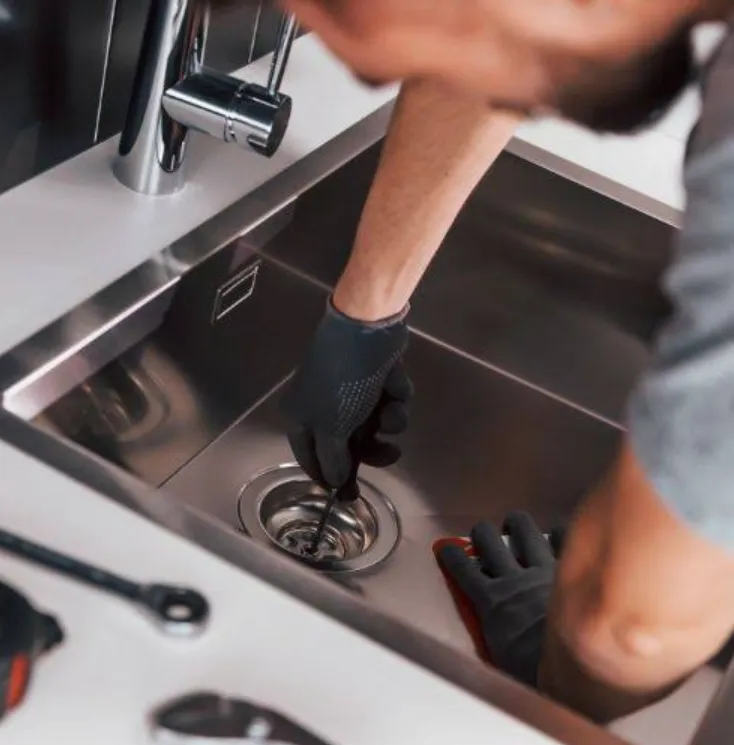
A drain snake, or cable machine, is a rotating metal cable that drills through a clog and punches a hole in it. It is effective at physically breaking apart a mass of material that is blocking the pipe, and for isolated, soft blockages, it does that job reasonably well.
The problem is what it leaves behind.
Grease, soap scum, and mineral deposits do not get removed by a snake. The cable passes through them, creates a temporary opening, and moves on. The pipe walls are still coated. That coating continues to accumulate, and the next blockage forms faster than the last one did.
Think of it like clearing a partially blocked tunnel by poking a stick through the center. You can get through, but the walls are still closing in.
Where Snaking Falls Short
- Grease buildup in kitchen lines: Cooking fat and oil cool and solidify on pipe walls over time. A snake breaks through the mass but cannot scour the walls. The residue stays, and grease re-accumulates on it quickly.
- Root intrusion in main lines: Tree roots that have breached a sewer line will be temporarily cut back by a snake, but roots grow back. Without removing the material and inspecting the pipe condition, the underlying breach is untouched.
- Scale and mineral deposits: Houston’s hard water accelerates mineral buildup inside pipes. Snaking has no effect on calcium and scale deposits bonded to pipe walls.
- Multi-point blockages: When a main sewer line has buildup at several points, a snake may clear one location while others stay partially obstructed.
How Hydro Jetting Works Differently
Hydro jetting uses a high-pressure water stream, typically between 1,500 and 4,000 PSI depending on the pipe type and severity of buildup, directed through a specialized nozzle that sprays in multiple directions simultaneously. Forward-facing jets cut through the blockage. Rear-facing jets propel the nozzle through the pipe while simultaneously scouring the pipe walls.
The result is a pipe that is not just unblocked but genuinely cleaned. Grease is emulsified and flushed. Scale is broken off the walls. Debris is pushed through to the sewer system rather than left sitting in the line.
This distinction matters enormously for long-term plumbing maintenance. A snaked drain may clog again within weeks if the root cause was grease coating or mineral scale. A hydro-jetted line, by contrast, starts from a clean slate.
The PSI Factor: Matching Pressure to the Job
Not every line needs the same pressure. A 2-inch kitchen drain line is a very different job from a 6-inch main sewer line, and applying the wrong pressure can damage older or already-compromised pipes.
A qualified technician will assess pipe diameter, material, age, and the type of blockage before selecting nozzle type and operating pressure. Cast iron sewer lines common in older Houston homes, for example, require a different approach than modern PVC lines.
This is also why hydro jetting should always be preceded by a camera inspection on main lines. Running high-pressure water through a pipe with a pre-existing crack or root breach can worsen the damage rather than fix it.
Houston Kitchens: Why They Clog So Differently
Houston’s food culture is one of the city’s best qualities. It is also hard on kitchen drain lines.
Homes across the region, from older bungalows in Bellaire to newer construction in Sugar Land and Katy, deal with grease accumulation at rates that exceed what drain strainers and cold-water flushing can offset. A kitchen drain that serves a family cooking daily can accumulate meaningful grease deposits inside 12 to 18 months.
The typical kitchen drain scenario: slow drainage that gets gradually worse, eventually leading to a full backup or overflow under the sink. A snake clears it. Six months later, the same thing happens, because the same grease coating that caused the first blockage was never fully removed.
Hydro jetting a kitchen drain line properly strips the accumulated grease from the walls and restores the pipe to near-original flow capacity. For homeowners in active cooking households, pairing this with an annual or biannual maintenance flush can essentially eliminate repeat kitchen drain blockages.
One practical tip: avoid putting cooking oils, meat fats, or dairy-heavy food waste down the kitchen sink regardless of whether hot water is running simultaneously. The hot water delays solidification, but it does not prevent it. The grease always eventually cools somewhere in the line.
Main Line Blockages: A Different Category of Problem
A kitchen drain backup is inconvenient. A main sewer line blockage is a household emergency.
When the main line that connects a home to the municipal sewer system blocks or restricts significantly, multiple drains in the home back up simultaneously. Toilets bubble. Showers back up when a washing machine drains. Ground-floor fixtures show water or sewage.
In Houston’s older neighborhoods like Kingwood, Humble, and Pasadena, homes frequently have clay or cast iron sewer lines that are 40 to 60 years old. These lines are prone to root intrusion, offset joints, and internal buildup that cable machines cannot adequately address.
Hydro jetting, combined with a sewer camera inspection, gives homeowners and plumbers a complete picture. The camera identifies the type and location of the problem. The jetting equipment clears it. The camera inspection after the job confirms the line is actually clean, not just passable.
This two-step approach is also increasingly important in real estate transactions. Hydrostatic testing and sewer scoping are now common during home inspections in the Houston market, and a main line with visible buildup or root intrusion can delay or kill a sale. Proactive hydro jetting before listing is a practical way to get ahead of that issue.
When Snaking Is Still the Right Call
Hydro jetting is not always the answer, and it is worth being clear about that.
For a simple, isolated soft clog near a drain fixture, a cable machine is faster, less expensive, and entirely appropriate. If a bathroom sink has a hair clog 18 inches down the drain, high-pressure jetting would be overkill.
The decision framework is roughly this:
- First-time clog, soft material, near the fixture: snaking is likely sufficient
- Recurring clog at the same drain: consider hydro jetting to address wall buildup
- Kitchen drain with slow flow: hydro jetting is the more durable solution
- Main sewer line with root history or multiple backup incidents: hydro jetting with camera inspection before and after
- Older pipe material (clay, cast iron): camera inspection first to confirm pipe integrity before jetting
Solid plumbing maintenance practice is about matching the right intervention to the actual problem, not defaulting to whatever clears the line fastest in the moment.
Key Takeaways
- Drain snaking removes the blockage but leaves behind the buildup that caused it, making repeat clogs almost inevitable.
- Hydro jetting cleans the pipe walls, not just the obstruction, which is the critical difference for long-term results.
- Kitchen drains in active cooking households benefit significantly from periodic hydro jetting due to grease accumulation patterns.
- Main sewer lines with root intrusion or recurring blockages should always be camera-inspected before and after hydro jetting.
- The right tool depends on the type and location of the blockage, not just whichever method is quickest or cheapest in the short term.
Frequently Asked Questions
How do I know if my drain needs hydro jetting or just a standard snake? The most reliable indicator is frequency. If the same drain has blocked more than twice within 12 months, or if kitchen drains are consistently slow despite snaking, the pipe walls likely have significant buildup that a cable machine cannot remove. A camera inspection can confirm this without guessing.
Is hydro jetting safe for older pipes? It depends on the pipe condition. Cast iron and clay pipes that are structurally sound can handle hydro jetting when appropriate pressure settings are used. Pipes with existing cracks, offset joints, or significant corrosion need to be inspected by camera first. A good technician will not skip that step. Repipe Solutions Inc recommends camera scoping before any high-pressure work on main lines in homes older than 25 years.
How long does hydro jetting take? A kitchen drain line typically takes 30 to 60 minutes. A main sewer line job, including camera inspection before and after, usually runs one to two hours depending on the length and condition of the line. There is no excavation involved for a standard interior or accessible cleanout-based job.
Can hydro jetting damage pipe connections or fittings? When done correctly with the right pressure settings and nozzle selection, no. The risk comes from applying excessive pressure to pipes that are already compromised. This is why condition assessment before the job matters. Most residential drain cleaning situations fall well within safe operating parameters for hydro jetting.
How often should main sewer lines be hydro jetted as a maintenance measure? For most homes without a history of recurring blockages, every three to five years is a reasonable general guideline. Homes with large trees close to the sewer line, older clay pipe connections, or active grease-producing households may benefit from annual or biannual inspections and cleaning. A camera inspection is the best way to establish what schedule makes sense for a specific property.
Conclusion
The difference between a temporary fix and a lasting one usually comes down to understanding what actually caused the blockage in the first place. Drain snaking has its place. It is fast, cost-effective for minor clogs, and entirely appropriate in the right scenarios. But it is not a plumbing maintenance strategy. It is a short-term response.
Hydro jetting is a different class of service, one that treats the pipe, not just the symptom. For Houston homeowners dealing with recurring kitchen drain issues or aging main sewer lines, the investment in a proper hydro jetting service almost always pays for itself by the time the third or fourth snaking appointment would have been needed.
Knowing which tool fits the problem is exactly the kind of knowledge that turns reactive plumbing decisions into proactive ones.

“Welcome to the ultimate destination for the best Instagram captions! I’m James, your go-to guide for crafting the perfect caption to match any moment. Whether you’re posting a selfie, a scenic shot, or a fun group picture, I’ve got you covered with creative, catchy, and relatable captions for every occasion. Dive into my collection and discover the perfect words to express yourself on Instagram!”