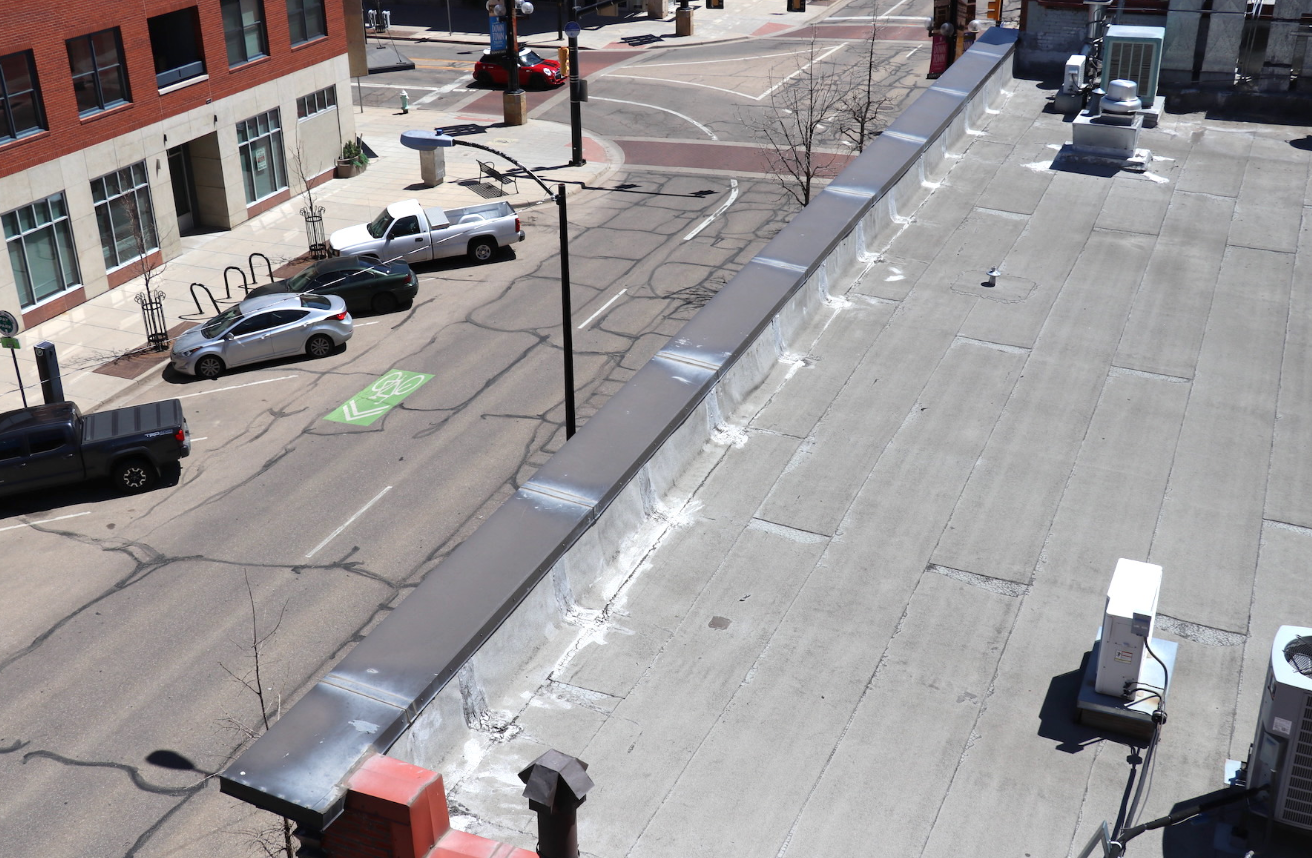
Modified bitumen has been a go-to for flat roofing for decades. It is tough, it handles foot traffic well, and it generally keeps the water out. But even the best systems have their weak spots. One of the most common headaches for building owners is seeing those cap sheet edges start to curl or lift. If you are dealing with this in Utah, hiring a reliable roof repair sandy contractor early on can prevent a small gap from becoming a full-blown interior flood. Taking care of these edges is the difference between a roof that lasts twenty years and one that fails in five.
Poor Heat Application During Installation
Most modified bitumen roofs are installed using a torch-down method. This requires a precise touch with a propane torch to melt the asphalt backing just enough to create a “bleed out” at the seam. If the installer is moving too fast or the weather is too cold, the asphalt does not get hot enough to fuse. When the material stays too cool, you get a cold bond. It looks fine for a few months, but as soon as the temperature drops and the material shrinks, those edges pop right up.
On the flip side, overheating is just as bad. If a roofer holds the torch in one spot for too long, they can actually burn the asphalt or damage the polyester mat inside the sheet. This makes the edge brittle. Brittle edges do not have the flexibility to handle the natural movement of a building. They crack and lift, leaving the underlying layers vulnerable to the elements.
Contamination and Dust at the Seams
Roofing sites are rarely clean environments. Between tear-offs of old materials and general construction debris, there is a lot of dust flying around. If a cap sheet is rolled out over a dusty surface or if wind blows silt onto the adhesive edge before it is sealed, the bond is compromised.
Moisture is another silent killer of seams. If there is even a hint of morning dew or a light mist on the base sheet when the cap sheet is applied, the bond will not take. The water turns to steam under the heat of a torch or prevents cold adhesive from sticking. You might not see the failure immediately, but the edge will gradually peel back as the trapped moisture tries to escape.
Lack of Proper Granule Embedding
The cap sheet of a modified bitumen system is covered in granules to protect the asphalt from UV rays. However, those granules are an enemy to a good seal. When one sheet overlaps another, the granules on the bottom sheet must be dealt with. Most pros use a heated trowel to press the granules into the hot asphalt so the top sheet can bond to a smooth, sticky surface.
If the installer skips this step or does a sloppy job, the top sheet is essentially trying to stick to a pile of loose rocks. It might hold for a little while, but the bond is incredibly weak. Eventually, wind uplift or thermal expansion will pull that top layer away from the granules, and you will see the edges start to fishmouth.
Thermal Expansion and Contraction
Roofs go through a massive amount of stress every single day. In the afternoon sun, the surface can get incredibly hot, causing the material to expand. At night, it cools down and shrinks. This constant tug-of-war puts a lot of pressure on the seams.
Modified bitumen is designed to be flexible, but it has its limits. If the roof was installed without enough “lap” or overlap at the seams, there is not enough surface area to hold the sheets together during these cycles. Over several seasons, the repeated pulling can cause the edges to fatigue. This is especially common on roofs with dark cap sheets that absorb more heat and undergo more dramatic temperature swings.
Incorrect Use of Adhesives
Not every modified bitumen roof is torched. Some use cold-applied adhesives or self-adhering “peel and stick” technology. While these are great for safety and ease of use, they are very sensitive to temperature and pressure.
If a cold adhesive is spread too thin, it will dry out before it can grab the cap sheet. If it is too thick, it can actually act as a lubricant and cause the sheets to slide or “creep” before it sets. For self-adhered systems, a heavy roller is mandatory to ensure the pressure-sensitive adhesive actually bites into the surface. Skipping the roller almost guarantees that the edges will lift within the first year.
Final Word
Edge lifting is not just an aesthetic issue. It is an open invitation for water to crawl under your roof and rot out the decking. If you catch it early, a professional roof repair sandy contractor can often perform a targeted repair to reseal those laps before you need a total replacement. Staying proactive with inspections is the best way to keep your building dry and your roof intact for the long haul.

“Welcome to the ultimate destination for the best Instagram captions! I’m James, your go-to guide for crafting the perfect caption to match any moment. Whether you’re posting a selfie, a scenic shot, or a fun group picture, I’ve got you covered with creative, catchy, and relatable captions for every occasion. Dive into my collection and discover the perfect words to express yourself on Instagram!”