As custom apparel grows in popularity, more creators and small businesses are looking for efficient and high-quality printing methods. Whether you’re starting a t-shirt brand, running a print shop, or expanding your merch line, the printing method you choose will directly affect your results.
DTF (Direct to Film) and DTG (Direct to Garment) are two of the most talked-about technologies in today’s print market. Both produce full-color prints, both are used by professionals, and both have unique advantages. But they are not the same, and picking the right one depends on what you need for your business.
This article breaks down how DTF and DTG work, where each one performs best, and which is better for different printing goals.
What is DTG Printing?
Direct to Garment, or DTG, is a digital printing method that sprays ink directly onto fabric. It works similarly to an inkjet printer, using specially formulated water-based inks. Once printed, the garment is heat-pressed to cure the ink and lock it into the fibers.
DTG is known for producing detailed, soft-feel prints, especially on 100% cotton shirts. It’s ideal for photo-quality designs or complex artwork with subtle color transitions. However, it does have limits. Dark garments require pretreatment, and it works best on cotton or cotton-rich blends. The process is direct and clean but less versatile when it comes to fabric types.
What is DTF Printing?
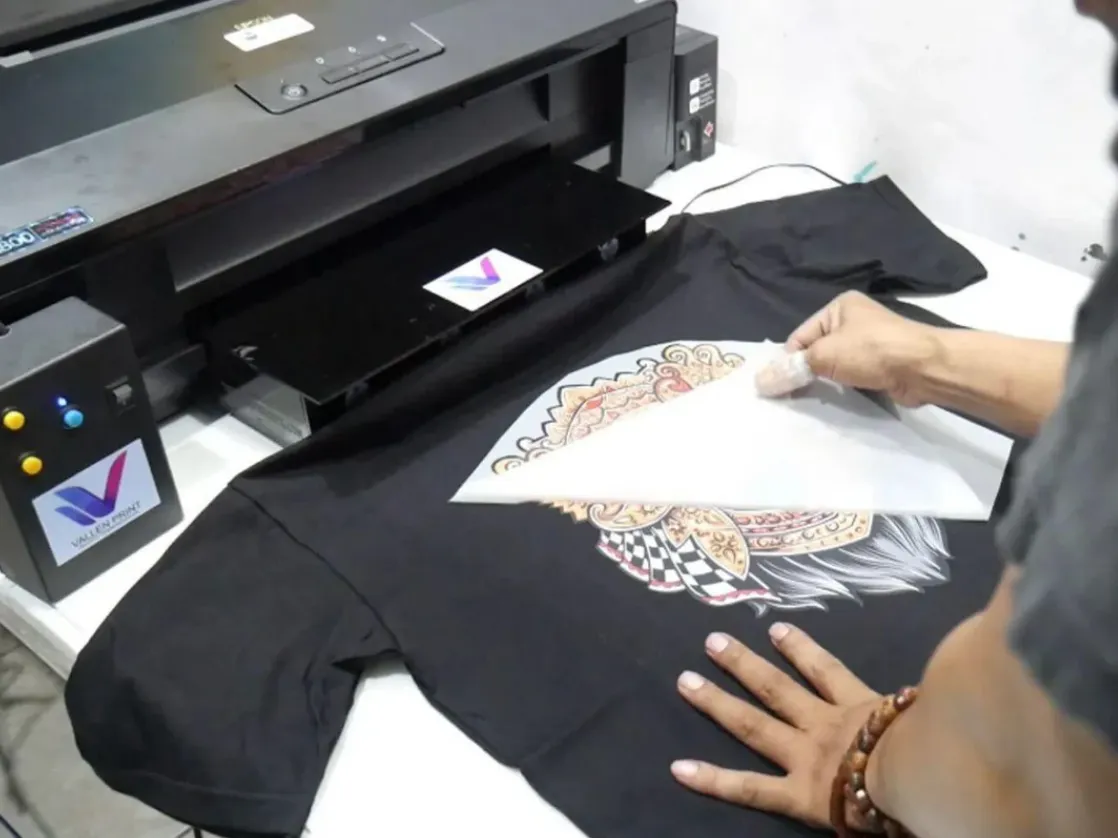
DTF stands for Direct to Film. Instead of printing directly on a shirt, the design is first printed onto a PET film using a special printer. After printing, a powdered adhesive is applied to the wet ink. The film is then heat-cured and later transferred to the garment using a heat press.
One of the biggest benefits of DTF is its compatibility with various fabrics. It works well on cotton, polyester, fleece, nylon, and blends. You don’t need to pretreat the garment, even for dark colors. That simplifies the process and makes production faster.
DTF ink plays a key role in the process. It’s designed to bond with the adhesive and handle the heat press transfer without losing detail or color. This type of ink holds up well through washing and stretching, making it reliable for long-term wear.
Key Differences Between DTF and DTG Printing
There are a few major areas where these two methods differ:
Fabric compatibility is one. DTG works best on cotton and cotton-blend fabrics. DTF works on a wider range of materials, including polyester, rayon, and nylon.
Pretreatment is another point. DTG requires pretreating garments before printing, especially for dark colors. DTF does not require this step, which saves time and effort.
Durability and feel also vary. DTF prints tend to have a slightly thicker texture but hold up very well in the wash. DTG prints feel softer on the garment but may fade a bit faster with frequent wear and washing.
Production speed is faster with DTF, particularly for small batches. DTG is slower, especially when pretreatment and curing are included in the process.
Startup cost can also influence your decision. DTG printers often require a higher upfront investment, while compact DTF setups are more budget-friendly for smaller operations.
Pros and Cons of DTG Printing
Pros:
- Produces smooth, soft prints with no noticeable texture
- Handles high-resolution artwork and photo-quality images well
- Ideal for fashion cotton t-shirts and premium designs
- Uses eco-friendly water-based inks
Cons:
- Only works well on cotton or cotton-rich fabrics
- Requires pretreatment for dark garments, which adds time and labor
- Slower production process
- Slightly less durable with heavy washing
Pros and Cons of DTF Printing
Pros:
- Prints on nearly any fabric, including polyester and blends
- No need for pretreatment, even on dark materials
- Highly durable with strong color vibrancy
- Faster and easier for short runs or on-demand printing
Cons:
- Slightly heavier print feel on garments
- Adhesive powder must be handled carefully to avoid mess
- Requires attention to curing time and heat press settings
- Ink and film costs can build up with high usage
Which One is Better for Your Business?
It depends on what you’re printing, how often, and who your customers are. If your business focuses on soft, high-end cotton garments and you want photo-quality detail, DTG may be the better fit. It works best when softness is a priority and you’re working mostly with cotton t-shirts.
If you want to print on various garments—hoodies, joggers, polyester blends—and you need speed and flexibility, DTF is likely the better option. It’s easier to learn, faster to operate, and doesn’t lock you into one fabric type.
DTF also suits businesses that focus on on-demand printing or small batch jobs. If you’re offering frequent design changes, personalized merch, or running an online store with mixed orders, DTF gives you more control with less effort.
Common Use Cases and Recommendations
DTG printing is a solid choice for fashion labels that value ultra-soft feel and specialize in cotton-based apparel. It’s great for selling high-detail prints through ecommerce platforms or boutique stores.
DTF printing is ideal for online merch stores, streetwear brands, and print shops that need to work with different garment types. It’s also perfect for custom one-offs, quick-turn orders, or shops offering drop shipping.
Final Thoughts
DTF and DTG are both strong printing methods, but they solve different problems. One is not always better than the other. It depends on your product line, your customers, and how you plan to grow your business.
DTF printing gives you flexibility and speed. It works on a wider range of fabrics and doesn’t require complex preparation. DTG delivers soft prints and professional detail but is more limited in what it can do.
Choose the one that matches your workflow and goals. With the right setup and focus, either method can help you build a strong brand and deliver high-quality custom apparel to your customers.

“Welcome to the ultimate destination for the best Instagram captions! I’m James, your go-to guide for crafting the perfect caption to match any moment. Whether you’re posting a selfie, a scenic shot, or a fun group picture, I’ve got you covered with creative, catchy, and relatable captions for every occasion. Dive into my collection and discover the perfect words to express yourself on Instagram!”