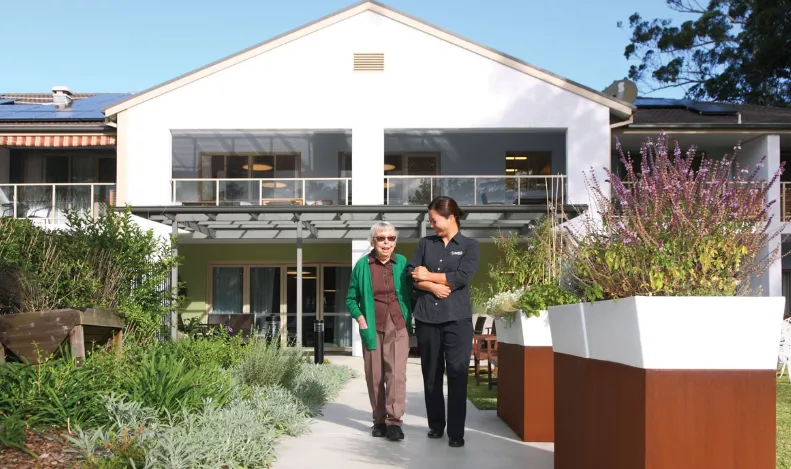
Person-centred care is used so often in the aged care sector that it risks becoming meaningless. Every brochure mentions it. Not every provider lives it. The difference between the two is measurable. It shows up in how care plans are developed, how staff are trained, how complaints are handled, and whether older people actually feel heard. Southern Cross Care NSW & ACT has delivered aged care services across New South Wales and the Australian Capital Territory for over 50 years. Its person-centred model isn’t new language applied to old practices. It’s a consistent operational philosophy that shapes every part of how care is organised and delivered. The Royal Commission into Aged Care Quality and Safety found in 2021 that person-centred care was the single most important factor in determining resident satisfaction.
What Does Person-Centred Care Actually Require?
It requires a shift in power. Traditional care models put the provider at the centre: the provider decides what services are offered, how they’re scheduled, and what counts as a good outcome. Person-centred care reverses this. The older person’s goals, preferences, and history shape the care plan. The provider’s job is to make that plan work, not to fit the person into a system designed for the provider’s convenience.
How Does Southern Cross Care NSW & ACT Gather Client Preferences?
The process starts before care begins. Southern Cross Care conducts detailed intake conversations that go beyond clinical history. Staff ask about a person’s daily routines, what they value most, what they worry about, and what would make their days better. This information shapes how care is delivered from day one. It means a support worker arriving on Monday morning already knows that their client takes time to wake up slowly and prefers tea before any conversation.
How Are Care Plans Built Around Individual Goals?
Goals in person-centred care are different from tasks. A task is “assist with showering.” A goal is “stay independent in personal care as long as possible.” Southern Cross Care’s care plans are built around goals. The tasks and services listed in the plan are the means to achieve those goals. This framing changes how staff engage with clients. They’re working toward something with the person, not doing things to them.
What Role Does Choice Play in Daily Life?
Choice in aged care covers things that might seem small but matter enormously. What time to get up. What to eat. Which TV programs to watch. Who visits. Whether to join a group activity or spend time alone. Southern Cross Care’s residential environments and home care services are structured to preserve as many of these everyday choices as possible. The research on autonomy and health outcomes is consistent: people who retain control over daily decisions have better mental health and slower cognitive decline.
How Does Person-Centred Care Work for People with Dementia?
People living with dementia face the risk of having their preferences and identity overlooked because communication becomes difficult. Southern Cross Care trains staff specifically in person-centred dementia care. This means learning each resident’s life history, understanding their communication patterns, and using that knowledge to manage distress, support orientation, and deliver care in ways that feel familiar and safe. A person’s life story doesn’t disappear with their diagnosis.
What Does Dignity in Care Look Like in Practice?
Dignity is not a feeling. It’s a set of practices. It’s knocking before entering a room. It’s asking how someone prefers to be addressed. It’s not discussing a person’s care needs in front of others without their consent. It’s ensuring personal care is delivered privately and respectfully. These practices are embedded in Southern Cross Care’s staff training and are part of how the organisation meets the Aged Care Quality Standards.
How Does Southern Cross Care NSW & ACT Handle Feedback and Complaints?
Person-centred care requires a feedback culture. People need to feel safe raising concerns without fear of affecting their care. Southern Cross Care has formal complaint processes, but more importantly, it creates the kind of relational environment where people feel comfortable raising issues informally before they become formal complaints. Staff are trained to receive feedback as information, not criticism. Organisational culture, not process, is what makes feedback actually happen.
How Does the Organisation Support Staff to Deliver Person-Centred Care?
Staff can’t deliver person-centred care if they’re rushed, undertrained, or overloaded. Southern Cross Care invests in workforce development, manageable caseloads, and supervision structures that allow staff to reflect on their practice. Staff who feel supported deliver better care. The connection between workforce wellbeing and client wellbeing is direct, and Southern Cross Care manages both with intention.
What Does Outcome Measurement Look Like for Person-Centred Services?
Measuring outcomes in person-centred care goes beyond clinical metrics. Southern Cross Care tracks client-reported wellbeing, goal achievement rates, incident rates, complaint volumes, and staff feedback. These data points are reviewed at both the individual and organisational level. Patterns are used to improve practice. Measurement without action is bureaucracy. At Southern Cross Care, what’s measured is used.
What Makes Southern Cross Care NSW & ACT Distinctive in the Region?
In a crowded market, Southern Cross Care’s distinctiveness comes from depth of experience, clarity of values, and the organisational stability that allows for genuine long-term relationships with clients and residents. It’s not the cheapest option and doesn’t try to be. It’s the option for families who want a provider that will be there for the long haul, that tells the truth, and that treats their loved ones as people with a full history and a future worth caring about.

“Welcome to the ultimate destination for the best Instagram captions! I’m James, your go-to guide for crafting the perfect caption to match any moment. Whether you’re posting a selfie, a scenic shot, or a fun group picture, I’ve got you covered with creative, catchy, and relatable captions for every occasion. Dive into my collection and discover the perfect words to express yourself on Instagram!”