Designing a rental property is different. In many ways, you have to pull back and practice restraint because 1) it isn’t your home, and 2) it isn’t your home.
You’re not chasing trends or showing off expensive finishes. You’re creating a place people can picture themselves living in. And when that happens, tenants stay longer, and your investment works harder for you.
Smart design choices can make a measurable difference in competitive markets where renters have plenty of options. The solution is to create a space so desirable that they’ll be clamoring to put down a deposit.
Real-World Inspiration
Design inspiration often comes from unexpected places. Community discussions frequently emphasize renter-friendly touches such as better lighting, practical storage, and durable finishes.
Sometimes the most effective upgrades are the most obvious. This is particularly visible in newer developments. For example, Cape Town’s design-focused Botanist development integrates green space, lifestyle amenities, and modern design to attract urban residents.
What Investors Can Learn From Dubai
The Dubai rental property market is expected to see substantial new housing supply in the coming years.
According to Middle East Economy magazine, 160,000 new units are planned for this year alone. Rental design trends also reflect broader investment markets. Buy-to-let in Dubai is a winning investment. Strong tenant demand, tax efficiency, and a large expatriate community make buying an apartment to rent out in Dubai central to long-term returns.
RD Dubai explains that, unlike some markets, Dubai does not require a separate legal structure or special mortgage category to operate a buy-to-let strategy. Residential properties can generally be rented out freely, subject to standard registration and tenancy rules.
Start With What Tenants Want
Before picking paint colors or furniture, you must understand renters’ expectations.
Tenants today want spaces that balance style, functionality, and convenience. Attractive interiors, practical layouts, and thoughtful amenities all help properties stand out.
It should be livable, comfortable, and easy to maintain. You’ll see the best results when design decisions answer simple questions:
- Does this make daily life easier?
- Does it feel welcoming?
- Would I want to live here?
Keep the Base Neutral But Not Boring
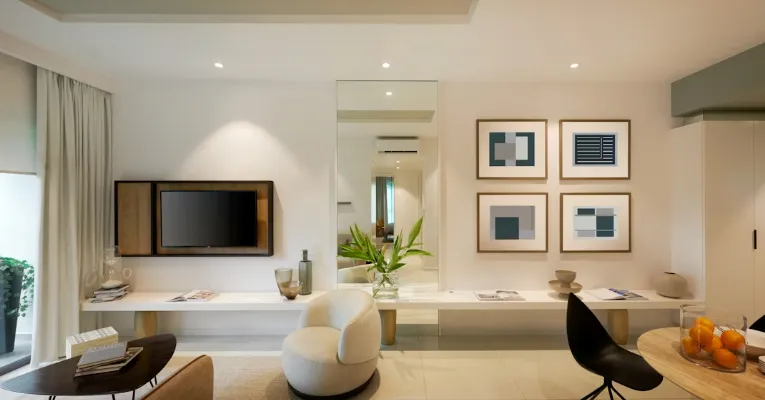
Neutral colors appeal to the widest range of tenants. Soft whites, grays, and warm beiges let them imagine their own furniture and personality in the space.
How to Avoid Bland
No sterile minimalism. Yes to texture:
- Wood finishes
- Layered lighting
- Subtle feature walls
- Quality flooring
Small upgrades can elevate perception dramatically.
Upgrade Kitchens and Bathrooms First
Prioritizing renovation spend? Then concentrate on these rooms first. Practical updates can include:
- Fresh paint or cabinet refacing
- Modern fixtures
- Updated appliances
- Improved lighting
These aren’t headline-grabbing changes, yet they continuously influence rental decisions. Clean, functional kitchens and bathrooms signal care.
Amenities Are Becoming Deal-Makers
Design isn’t limited to the unit itself anymore. Shared amenities are shaping rental appeal.
The Architect’s Newspaper reports that communal spaces, wellness areas, and flexible shared environments are now strong drivers for both renters and buyers.
Amenities don’t need to be extravagant. Small shared touches (secure storage, co-working corners, or landscaped outdoor areas) can boost appeal.
Design With Emerging Renters in Mind
Younger tenants are influencing rental expectations. Fast Company’s report on renter behavior notes that flexibility, sustainability, and lifestyle alignment are the winning formula.
This translates into design choices like:
- Energy-efficient appliances
- Flexible layouts for remote work
- Simple but stylish finishes
- Strong connectivity and tech readiness
Ignoring these factors risks making a property feel dated before it hits the market.
Throw in Incentives and Extras
Design attracts attention, but added value can also close the deal.
Landlords in competitive markets are offering perks like parking, utilities, or rental incentives. Even small extras can create emotional pull:
- Quality window treatments
- Reliable appliances
- Secure parking
- Smart home touches
Think of these as finishing touches rather than gimmicks.
Bringing It All Together
Attractive rental design doesn’t chase perfection. It concentrates on clarity:
- Clean, welcoming interiors
- Functional layouts
- Practical upgrades
- Lifestyle-aligned amenities
- Attention to evolving tenant needs
When those elements align, tenants notice, and investors see stronger occupancy and better long-term returns.
Design well once, and the property keeps working for you.
Frequently Asked Questions
What design features attract tenants fastest?
Neutral colors, updated kitchens and bathrooms, good lighting, and practical storage top the list.
Should I furnish my rental property?
It depends on the market. Furnished units can rent faster in urban or short-term markets but require more upkeep.
Are amenities really that important?
Yes. Shared spaces, wellness features, and flexible work areas can significantly boost appeal.
How does design affect rental income?
Better design can reduce vacancy periods, justify higher rents, and attract longer-term tenants.
Is buying rental property in Dubai still attractive?
Strong rental demand, tax advantages, and a growing population continue to make Dubai property investment appealing for many investors. Property selection and design must be handled thoughtfully.

“Welcome to the ultimate destination for the best Instagram captions! I’m James, your go-to guide for crafting the perfect caption to match any moment. Whether you’re posting a selfie, a scenic shot, or a fun group picture, I’ve got you covered with creative, catchy, and relatable captions for every occasion. Dive into my collection and discover the perfect words to express yourself on Instagram!”