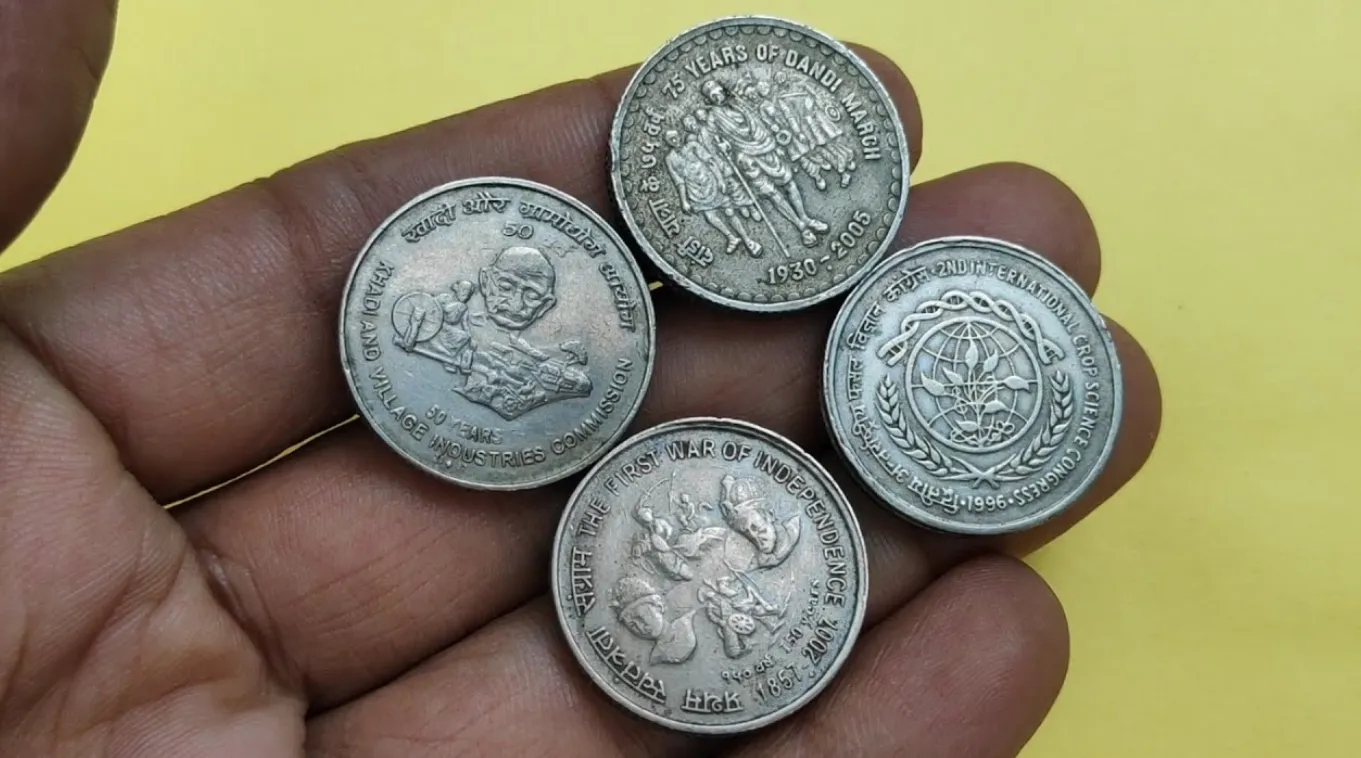
A one-rupee coin may seem small and insignificant, but it holds immense importance in everyday life. An average person uses a ₹1 coin for countless things. But did you know that this coin is not only important to ordinary people but also to the government? In fact, the cost of manufacturing this coin is significantly higher than its face value.
Many people think that the government makes a profit from minting coins, but the reality is quite the opposite. Let’s understand the whole story behind this.
Why is the cost of producing a ₹1 coin so high?
Producing a ₹1 coin is not as simple as you might think. The process involves several steps, which increases the overall cost of the coin. First, metals such as copper, nickel, and steel are procured.
These metals are not cheap, as global prices fluctuate, causing the cost of the metals to rise. Then, the metals are rolled into sheets, cut into a circular shape, polished, and treated before the Ashoka Chakra and the year are stamped onto them.
Skilled workers and heavy machinery are used in the minting factories in Mumbai, Kolkata, Hyderabad, and Noida, incurring separate costs for electricity, labor, and maintenance. This is why the cost of manufacturing a ₹1 coin and other coins is higher than their face value.
What is the cost of making a ₹1 coin?
Based on various reports and RTI responses shared over the past few years, the estimated cost of producing a ₹1 coin ranges from ₹1.11 to ₹1.28 per coin, depending on the price of the metal and production conditions. This means the government is spending more than the face value of the coin just to manufacture it.
Just think – it costs more than ₹1 to make a ₹1 coin! This extra cost is borne by the government as part of public currency management. Coins are meant for circulation and facilitating transactions, not for making a profit.
How much do other coins cost?
Coins of ₹1, ₹2, ₹5, and ₹10 denominations are widely circulated across the country, but the cost of minting varies depending on the denomination. For example:
- It costs ₹1.28 to produce a ₹2 coin.
- The cost of a ₹5 coin is ₹3.69.
- The cost of a ₹10 coin is ₹5.54.
These coins are minted only at the Government of India mints located in Mumbai and Hyderabad, and are circulated by the RBI. With the increase in metal prices and production costs over time, the actual cost in 2024-25 has exceeded even the figures from 2018.
Coin production has declined in recent years
According to the report, the number of coins minted each year has also declined. In 2017, approximately 903 million one-rupee coins were produced, while in 2018, this number dropped to 630 million.
Although newer figures are not publicly available, the trend suggests that the volume of currency has decreased, possibly due to cost pressures and changes in currency usage patterns.
Conclusion
So, the next time you have a ₹1 coin, remember that it costs the government more than ₹1 to produce that small piece of metal. While it may seem simple, there’s a complex process behind it. From metal sourcing to stamping and circulation, every step adds to the final cost. The government continues to mint ₹1 coins because they facilitate daily transactions, especially for the millions of people who rely on cash.

“Welcome to the ultimate destination for the best Instagram captions! I’m James, your go-to guide for crafting the perfect caption to match any moment. Whether you’re posting a selfie, a scenic shot, or a fun group picture, I’ve got you covered with creative, catchy, and relatable captions for every occasion. Dive into my collection and discover the perfect words to express yourself on Instagram!”