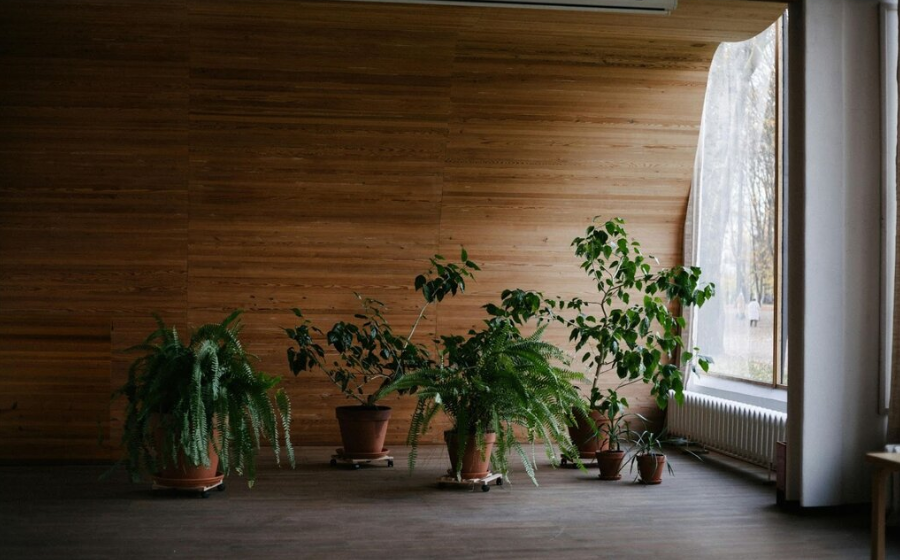
Moving into a new home presents an ideal opportunity to establish a fresh atmosphere through thoughtfully selected indoor plants. While many homeowners focus solely on furniture and paint colors, incorporating greenery from the start creates a foundation for healthier living spaces. Strategic placement of plants like ivy offers immediate visual impact while addressing air quality concerns that often accompany new construction or renovations. The key lies in understanding which varieties work best for specific rooms and lighting conditions.
Why Adding Indoor Greenery Transforms Your New Home Atmosphere
The introduction of living plants into interior spaces initiates a measurable shift in both environmental quality and psychological well-being. Indoor greenery actively purifies air by absorbing carbon dioxide and releasing oxygen while filtering harmful toxins from household materials and furnishings. This biological process creates fresher, cleaner breathing conditions.
Beyond physical benefits, plants establish visual connections to nature that reduce stress levels and enhance concentration. Studies demonstrate that rooms containing greenery promote faster recovery from mental fatigue compared to barren spaces.
The presence of varied textures, shapes, and shades of green introduces dynamic visual interest that transforms sterile rooms into vibrant living environments. Additionally, caring for plants provides purposeful daily routines that foster mindfulness and responsibility, creating meaningful engagement within one’s living space.
Tips for Selecting the Perfect Ivy Plants Indoor for Your Space
Among the most versatile options for bringing nature indoors, ivy varieties offer exceptional adaptability and aesthetic appeal for various living environments. Understanding the different types of ivy plants indoor helps homeowners choose options that align with both décor goals and care capabilities. When selecting ivy plants, homeowners should evaluate their space’s light conditions first. English ivy thrives in moderate to bright indirect light, while pothos tolerates lower light levels effectively.
Consider the available space for growth. Trailing varieties suit hanging baskets and high shelves, whereas climbing types require vertical support structures. Certain types of ivy plants indoor grow more compactly, making them suitable for small apartments or office settings. Temperature preferences matter too, most ivy species flourish between 50-70°F with moderate humidity.
Match maintenance requirements to lifestyle commitments. Devil’s ivy demands minimal care, making it ideal for beginners, while variegated varieties need more attention to preserve their distinctive patterns. Assess household safety factors, particularly with pets and children, since some ivy species contain toxic compounds requiring careful placement.
How Indoor Plants Improve Air Quality and Create a Relaxing Environment
While many homeowners value indoor plants purely for decoration, these natural elements deliver measurable health benefits through air purification and stress reduction. Plants absorb carbon dioxide and release oxygen through photosynthesis, while certain species remove volatile organic compounds like formaldehyde and benzene from indoor air. NASA research identified spider plants, peace lilies, and snake plants as particularly effective air purifiers. Beyond physical benefits, indoor greenery creates psychological advantages.
Studies demonstrate that exposure to plants lowers cortisol levels, reduces blood pressure, and improves concentration. The presence of living greenery establishes visual connection to nature, a concept called biophilic design that promotes mental well-being. Even small collections of houseplants transform sterile spaces into calming environments that support both respiratory health and emotional balance throughout daily living.
Designing Indoor Greenery Layouts That Complement Your Home Style
Strategic placement of indoor plants requires careful consideration of both architectural features and existing design elements. Modern minimalist spaces benefit from sculptural plants like snake plants or fiddle leaf figs positioned as standalone focal points. Traditional interiors pair well with cascading pothos or English ivy displayed in classic ceramic planters.
Industrial-style homes accommodate larger specimens such as monstera deliciosa or bird of paradise plants in concrete or metal containers. Vertical arrangements maximize space efficiency in compact areas, utilizing wall-mounted planters or tiered stands. Grouping plants of varying heights creates visual depth and interest.
Corner spaces accommodate tall floor plants, while shelving units support smaller succulents and trailing varieties. Color coordination between planters and room palettes maintains design cohesion. Consider lighting conditions when finalizing plant positions to guarantee both aesthetic appeal and healthy growth.
Practical Care Tips for Ivy Plants Indoor to Keep Them Thriving
Ivy plants require consistent moisture levels and indirect light to maintain their characteristic lush foliage indoors. Water when the top inch of soil feels dry, ensuring proper drainage to prevent root rot. Position ivy near east or north-facing windows where bright, filtered light reaches the leaves without causing burn damage.
Maintain humidity levels between 40-50% by misting foliage weekly or placing containers on pebble trays filled with water. Prune regularly to encourage bushier growth and remove yellowing leaves promptly. Feed with diluted liquid fertilizer monthly during spring and summer, reducing frequency in dormant winter months.
Monitor for spider mites and aphids, which commonly affect indoor ivy. Wipe leaves with damp cloths to remove dust and improve photosynthesis. Report every two years using a well-draining potting mix.
When You Buy a Home: Integrating Greenery From Day One
Moving into a new home presents the ideal opportunity to establish a foundation of indoor plants before furniture and routines complicate placement decisions. Empty rooms allow homeowners to assess natural light patterns throughout the day, identifying prime locations for various plant species. Windows receiving morning versus afternoon sun can be matched with appropriate greenery based on light requirements. This planning is especially valuable for buyers who buy a home in North Carolina, where seasonal light changes and humidity levels can influence plant health year-round.
Starting with greenery during the move-in process also enables strategic planning for watering accessibility and drainage considerations. Placing plants near sinks or utility areas simplifies maintenance routines. Additionally, incorporating plants early helps new residents visualize spatial arrangements more effectively, as greenery influences furniture placement and room flow. This proactive approach transforms a house into a living space immediately, creating a welcoming atmosphere that grows alongside the homeowner’s settling-in period.
Creative Ways to Mix Indoor Plants With Furniture and Décor for Style and Function
When furniture and plants occupy the same visual space, they create opportunities for intentional design that serves both aesthetic and practical purposes. Placing trailing pothos on top of bookshelves allows vines to cascade downward, softening hard edges while maximizing vertical space. Console tables behind sofas provide ideal platforms for layered plant arrangements at varying heights, adding depth without consuming floor area.
Low-maintenance snake plants positioned beside armchairs fill awkward corners while improving air quality in frequently used spaces. Mounting planters directly onto shelving units integrates greenery into existing storage solutions. Coffee tables with built-in planters merge function and nature, though separate containers offer greater flexibility for rearrangement. Coordinating pot colors with existing textiles and furniture finishes creates visual cohesion throughout rooms, transforming plants from mere accessories into deliberate design elements.

“Welcome to the ultimate destination for the best Instagram captions! I’m James, your go-to guide for crafting the perfect caption to match any moment. Whether you’re posting a selfie, a scenic shot, or a fun group picture, I’ve got you covered with creative, catchy, and relatable captions for every occasion. Dive into my collection and discover the perfect words to express yourself on Instagram!”