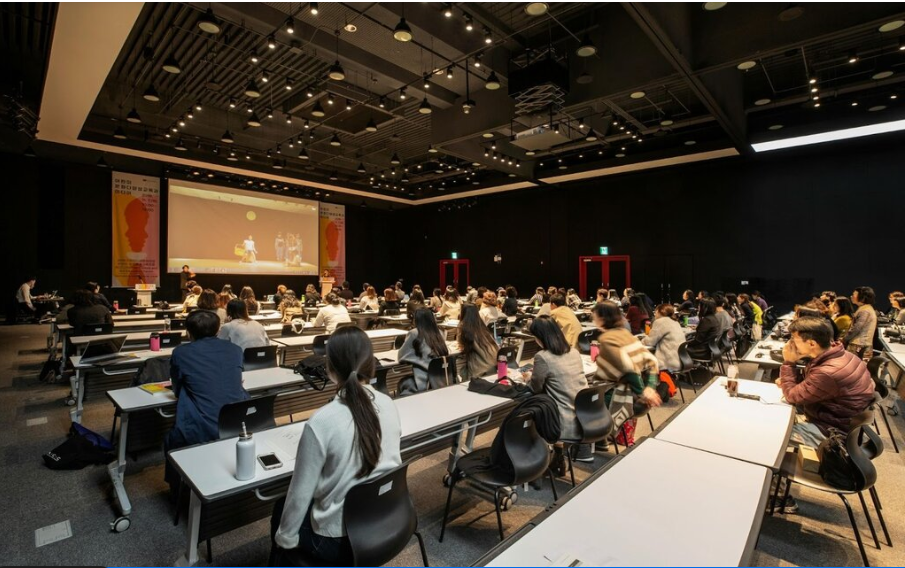
In today’s rapidly changing professional landscape, staying current with industry developments has become essential rather than optional. Webinars and conferences have emerged as powerful tools for continuous learning, offering professionals direct access to cutting-edge knowledge and peer networks. These platforms bridge critical gaps between classroom education and real-world application, particularly in specialized fields like metal construction and architecture. The question remains: how can organizations effectively harness these learning opportunities to drive measurable growth and innovation?
The Importance of Continuous Learning in Evolving Industries
As industries undergo rapid transformation driven by technological advancement and shifting market demands, professionals who fail to update their skills risk obsolescence. Continuous learning has become essential for maintaining competitive advantage and career relevance. Organizations that prioritize employee development demonstrate higher innovation rates and better adaptability to market disruptions.
The half-life of professional skills continues to shrink across sectors, from healthcare to finance to technology. What constituted expertise five years ago may now represent outdated knowledge. Regulatory changes, emerging methodologies, and new tools require workers to constantly refresh their capabilities.
Professionals who embrace lifelong learning position themselves for advancement opportunities while contributing greater value to their organizations. This commitment to growth enables individuals to navigate career changes, assume leadership roles, and remain resilient amid industry volatility.
Enhancing Technical Knowledge Through Metal Construction Webinars
While traditional training methods remain valuable, webinars have emerged as particularly effective vehicles for technical knowledge transfer in the metal construction industry. Metal construction webinars provide on-demand access to expert-led instruction, allowing contractors, engineers, and project managers to stay current without disrupting active job schedules. These digital platforms enable professionals to access specialized content on metal roofing systems, structural engineering principles, and fabrication techniques without travel costs or extended time away from projects.
Industry experts demonstrate complex installation procedures, share building code updates, and present innovations in metal materials through real-time visual presentations. Participants can observe detailed technical drawings, examine product specifications, and review safety protocols while maintaining their work schedules. Many metal construction webinars also align content with regional code requirements and emerging sustainability standards, increasing their practical relevance.
The interactive format allows attendees to pose questions about specific challenges they encounter on job sites. Recording capabilities guarantee professionals can revisit complex topics and share critical information with their teams, creating lasting educational resources.
A/E/C Conferences as Hubs for Networking and Professional Development
Beyond the virtual learning environment, Architecture/Engineering/Construction (A/E/C) conferences offer metal construction professionals invaluable opportunities to build relationships and advance their careers through face-to-face engagement. AEC conferences create centralized forums where decision-makers and technical specialists can exchange ideas that directly influence project outcomes and industry direction. These events bring together architects, engineers, contractors, and manufacturers to share innovations, discuss industry challenges, and explore emerging technologies. Attendees gain exposure to new products, installation techniques, and design methodologies through exhibitions and technical sessions.
Networking breaks and social events facilitate meaningful connections that often lead to collaborative partnerships and mentorship opportunities. Many AEC conferences also feature structured matchmaking sessions and roundtable discussions designed to connect professionals with complementary expertise. Panel discussions featuring industry leaders provide insights into market trends and regulatory changes affecting metal construction. Workshops allow hands-on learning with new materials and systems. Conference participation demonstrates professional commitment, enhances credibility, and keeps practitioners current with evolving standards and best practices in the built environment.
Bridging the Gap Between Theory and Practice With Industry Events
Industry events transform abstract concepts into tangible applications by connecting classroom knowledge with real-world metal construction challenges. Practitioners demonstrate how theoretical frameworks apply to actual project scenarios, revealing implementation nuances that textbooks cannot capture.
Live case studies showcase problem-solving methodologies in action, exposing attendees to decision-making processes under authentic constraints. Interactive workshops enable participants to test learned concepts through simulations and hands-on exercises, accelerating skill development beyond passive instruction.
Expert panels address the disconnect between academic training and industry demands, offering guidance on adapting theoretical knowledge to practical situations. These gatherings create feedback loops where practitioners share field-tested insights that inform educational approaches.
Attendees gain clarity on applying established principles to emerging technologies and evolving industry standards, ensuring their expertise remains relevant and immediately applicable to daily work.
How Webinars and Conferences Promote Innovation and Best Practices
When professionals gather at webinars and conferences, they encounter cutting-edge methodologies before these innovations reach mainstream adoption. Presenters showcase experimental approaches, emerging technologies, and data-driven solutions that challenge conventional thinking. This early exposure enables attendees to evaluate new strategies and determine their applicability to specific organizational contexts.
Case studies presented at these events reveal practical implementation frameworks, including obstacles encountered and mitigation strategies employed. Professionals learn from both successes and failures without experiencing the associated costs firsthand. Panel discussions facilitate critical examination of best practices across different organizational environments, highlighting contextual factors that influence outcomes.
Interactive sessions encourage participants to question established norms and contribute their perspectives. This collaborative environment accelerates knowledge refinement and helps identify universal principles versus context-dependent solutions, ultimately advancing industry standards.
Measuring the Impact of Learning Events on Career Growth and Performance
While exposure to innovations and best practices offers clear value, organizations and professionals require concrete evidence that participation in learning events produces tangible results. Effective measurement frameworks track multiple indicators including skill acquisition, certification completion, and knowledge application in workplace scenarios. Post-event assessments gauge immediate learning retention, while longitudinal studies examine career advancement patterns, salary progression, and promotion rates among participants versus non-participants.
Performance metrics reveal whether attendees implement new methodologies, improve productivity, or contribute enhanced solutions following conference participation. Organizations increasingly utilize learning management systems to correlate webinar completion with employee performance reviews and project outcomes. Return on investment calculations factor registration costs against measurable improvements in individual output and team effectiveness. These quantitative approaches, combined with qualitative feedback through surveys and interviews, provide extensive evidence linking professional development activities to demonstrable career growth.
Integrating Insights From Webinars and Conferences Into Daily Operations
The transformation of conference insights into operational improvements requires deliberate action rather than passive absorption of information. Professionals must establish systematic documentation practices during sessions, capturing actionable takeaways alongside theoretical concepts. Creating implementation timelines within 48 hours of event completion prevents knowledge decay and maintains momentum.
Effective integration involves sharing key learnings with relevant team members through structured briefings or collaborative platforms. Organizations benefit when attendees translate abstract concepts into specific process modifications, testing new methodologies on small-scale projects before broader deployment. Regular review cycles help assess which insights deliver measurable improvements versus those requiring adaptation to organizational contexts.
Cross-departmental knowledge transfer multiplies event value, transforming individual learning experiences into collective organizational advancement. This strategic approach guarantees conference investments yield tangible returns rather than remaining theoretical knowledge.

“Welcome to the ultimate destination for the best Instagram captions! I’m James, your go-to guide for crafting the perfect caption to match any moment. Whether you’re posting a selfie, a scenic shot, or a fun group picture, I’ve got you covered with creative, catchy, and relatable captions for every occasion. Dive into my collection and discover the perfect words to express yourself on Instagram!”